
Gum disease treatment in Perth — preserve your teeth
Gum disease (periodontal disease) is a bacterial infection that affects your gums. Caught early, it's treatable. Untreated, it leads to tooth loss and increases the risk of heart disease, diabetes and lung disease. Watch for swollen gums, bleeding and bad breath.
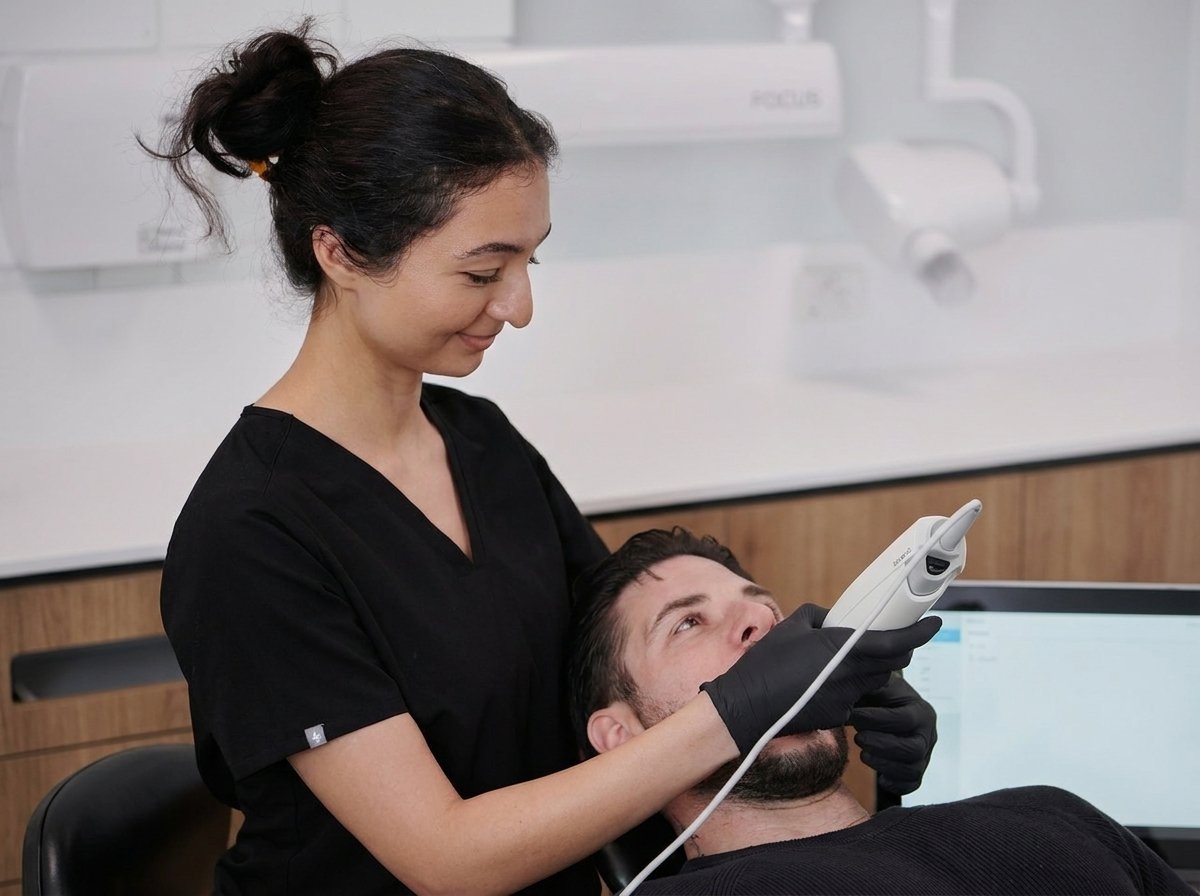
Gum disease treatment
Depends on stage
Scaling and polishing for early disease · Root planing, soft tissue grafts or laser treatment for advanced cases
Pricing varies with severity. We assess and quote in writing before any work.
The two stages of gum disease
Gingivitis (early stage)
Inflammation and bleeding of the gums. Treatable — usually responds to a deep clean and improved oral hygiene.
Periodontitis (advanced)
The later stage. Teeth start to loosen and gum pockets form where bacteria can breed. More serious — requires intervention to save the teeth.
According to the Australian government, 22.9% of Australians have periodontitis. Catching it early matters.
Why gum disease develops
Poor oral hygiene
The most common cause — when bacteria isn't properly removed by brushing and flossing.
Hormones
Hormonal changes during pregnancy, puberty, menstruation and menopause affect gum sensitivity.
Genetics
If gum disease runs in your family, you're more susceptible — more reason for regular check-ups.
Health conditions
HIV, cancer, diabetes, rheumatoid arthritis and scurvy increase risk.
Medications
Some medications cause dry mouth — saliva normally protects the teeth and gums.
Tobacco
Reduces the strength of your immune system, making gum disease easier to develop and harder to treat.
Treatment options
Scaling
Professional removal of dental plaque and tartar using dental tools.
Root planing
Non-surgical method to heal gum disease — cleans beneath the gum line. Local anaesthetic may be used.
Bone graft
For severe disease that has affected the jawbone. A sample of bone is grafted to strengthen the jaw.
Soft tissue graft
Strengthens receding gums. Tissue from the roof of the mouth is grafted onto the affected area.
Gum contouring
Evens out the gum line and prevents bacteria buildup. Done under local anaesthetic with soft tissue laser.
Laser treatment
Removes inflamed gums and reduces the size of gum pockets — no incisions or stitches required.
Aftercare
- Take any prescribed medications
- Stick to soft food; avoid hot, cold, spicy and acidic
- Chew carefully on the untreated side
- No smoking or alcohol for 2-14 days
- No straws
- Rinse with salt water 2-3 times daily
- Resume brushing twice daily, flossing and mouthwash
Two Perth locations, one phone number
Perth CBD clinic
Level 1, 300 Murray Street, Perth WA 6000
Mon–Thu 8:30am–5pm · Fri 8:30am–4:30pm · Closed weekends
DirectionsBelmont clinic
171 Belmont Avenue, Belmont WA 6104
Mon–Thu 8am–6pm · Fri 8am–4pm · Sat 8am–2pm · Free parking
DirectionsGum disease questions, answered
How can I prevent gum disease?
Brush twice daily, floss regularly, use mouthwash. Maintain good oral hygiene. See us for a check and clean every 6 months.
Is gum disease dangerous?
Severe gum disease (periodontitis) increases the risk of more serious health problems including heart disease, lung disease and diabetes. Early treatment matters.
Why do my gums bleed when I brush?
Bleeding when brushing usually signals plaque buildup and may be early gum disease. Get it checked — a quick deep clean often reverses it.
Can gum disease cause cancer?
Severe gum disease has been linked to increased risk of certain cancers. Early diagnosis and treatment are protective.
Can you catch gum disease from someone?
The bacteria that cause gum disease can transfer through saliva — sharing drinks, eating utensils or kissing. Maintaining your own oral hygiene is the best defence.
How long does recovery take?
Mild cases can heal within several days. More serious cases take weeks to months. Following aftercare instructions accelerates recovery.
Can antibiotics cure gum disease?
No — antibiotics may help with infection, but maintaining good dental hygiene plus professional deep cleaning is the treatment. Antibiotics alone don't cure the disease.
Gum disease symptoms? Get assessed in Perth.
Call us — early treatment saves teeth and protects your overall health.
$349 first emergency visit · same-day, subject to availability · Both Perth clinics